
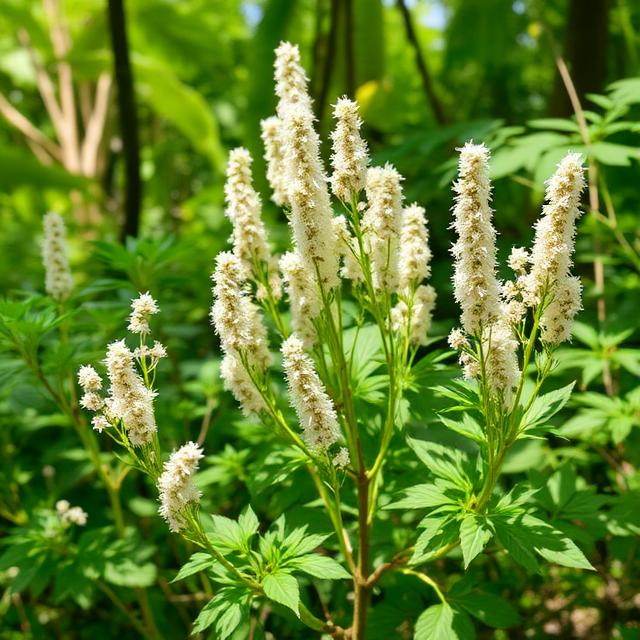
When people talk about Liver Detox Pathways & Sulforaphane: The Real Biochemistry of Cellular Cleansing — MindfulVitalityRoutine, the advice often becomes repetitive fast. Here, the goal is to slow it down, add nuance, and focus on the parts that actually make the topic easier to understand and use.
Phase I and Phase II — The Two-Stage Transformation
Phase I detoxification is performed by the cytochrome P450 (CYP450) enzyme superfamily — fifty-seven genes in humans, expressed most densely in the liver but also active in the gut wall, kidneys, lungs, and brain. CYP450 enzymes oxidise, reduce, or hydrolyse lipophilic compounds — both endogenous hormones and exogenous toxins — converting them to more polar (water-soluble) intermediates that can be processed by Phase II enzymes. This intermediate form is frequently more reactive and transiently more toxic than the parent compound, which is why Phase I activity without adequate Phase II support can actually increase oxidative stress and cellular damage rather than reducing it. CYP450 activity is upregulated by cruciferous vegetables, which contain indole-3-carbinol (I3C) and its gut-derived metabolite 3,3'-diindolylmethane (DIM) — compounds that specifically induce CYP1A2 and CYP3A4, improving the metabolism of oestrogens, environmental xenoestrogens, and numerous pharmaceutical compounds.
Phase II conjugation attaches polar molecular groups — glucuronate, sulphate, glutathione, methyl groups, acetyl groups, or amino acids — to Phase I metabolites, rendering them water-soluble and suitable for biliary or renal excretion. Each conjugation pathway has distinct nutritional dependencies: glucuronidation requires adequate UDP-glucuronic acid, synthesised from glucose in a pathway dependent on B vitamins; sulphation requires sulphur amino acids (cysteine, methionine) and adequate inorganic sulphate from dietary sources; glutathione conjugation requires the tripeptide glutathione, synthesised from cysteine, glycine, and glutamate with selenium-dependent glutathione peroxidase as the recycling enzyme. Supporting Phase II therefore requires dietary protein adequacy for amino acid substrate, selenium and B vitamin sufficiency for cofactor availability, and the specific Phase II inducers found in food.
Sulforaphane — The Most Potent Dietary Phase II Inducer Known
Sulforaphane, produced from the glucosinolate glucoraphanin by the enzyme myrosinase during the chewing and digestion of cruciferous vegetables, is the most potent small-molecule activator of the Nrf2 transcription factor yet identified in the human diet. Nrf2 — the master regulator of the cellular antioxidant and detoxification response — controls the transcription of over two hundred genes, including all major Phase II conjugation enzymes (glutathione S-transferases, UDP-glucuronosyltransferases, sulphotransferases, and quinone oxidoreductase 1), glutathione synthesis enzymes, ferritin, and the components of the proteasome responsible for removing damaged proteins. A single serving of broccoli sprouts — which contain fifty to one hundred times the glucoraphanin concentration of mature broccoli — activates Nrf2 for approximately seventy-two hours, elevating Phase II enzyme activity across the entire detoxification spectrum. Critically, sulforaphane must be generated from intact plant tissue: cooking broccoli above sixty degrees Celsius inactivates myrosinase before glucoraphanin hydrolysis occurs, eliminating sulforaphane production. Raw consumption, light steaming below sixty degrees, or adding powdered mustard seed (which contains active myrosinase) to cooked broccoli are the practical strategies for preserving bioactive sulforaphane delivery.
Added perspective
At Mindful Vitality Routine, we look at liver detox pathways & sulforaphane: the real biochemistry of cellular cleansing through an everyday lens: what feels realistic, what improves comfort over time, and what creates a calmer rhythm without making life feel overcomplicated. That means focusing on steady routines, practical choices, and visual clarity so each page feels useful as well as inspiring.
Rather than chasing extremes, this space leans into balance, consistency, and small upgrades that hold up in real life. Whether the subject is ingredients, rituals, mindful home details, or simple wellness habits, the goal is to connect ideas with gentle structure, better context, and a more grounded sense of progress.
This added note expands the page with a little more context, helping the topic sit within a wider wellness conversation instead of feeling like a standalone fragment. In practice, that often means noticing patterns, simplifying decisions, and choosing approaches that are easier to repeat with confidence.
Leave a Reply
Your email will not be published. Required fields marked *